

Engagement civique

Charitable Purpose?

The Haitian Development Network is a non-profit 501c6 business league designed to bring together like-minded individuals, businesses and charitable organizations with a common interest in fomenting the creation of wealth for individuals and families in Haiti and Haitians around the world.  

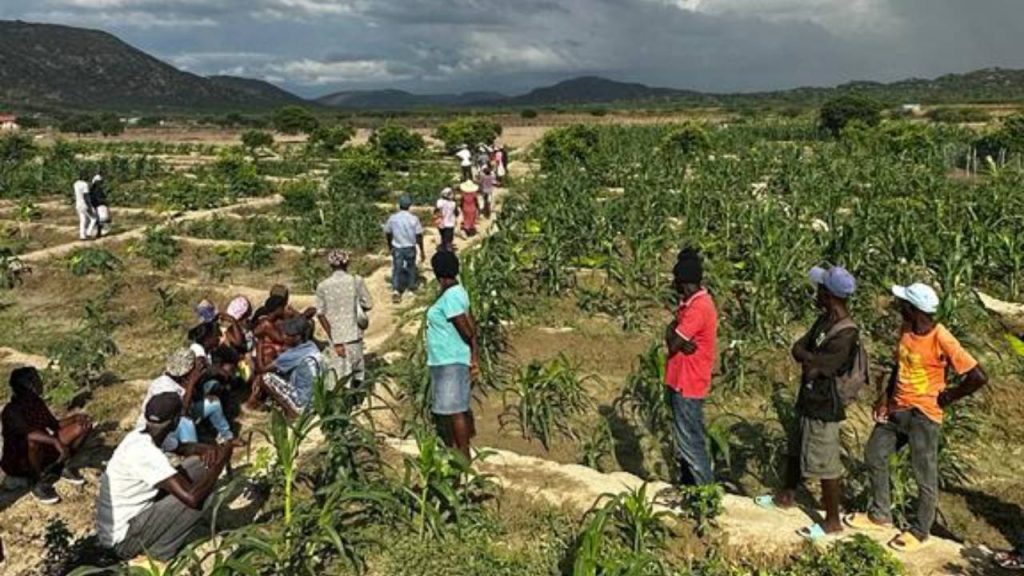
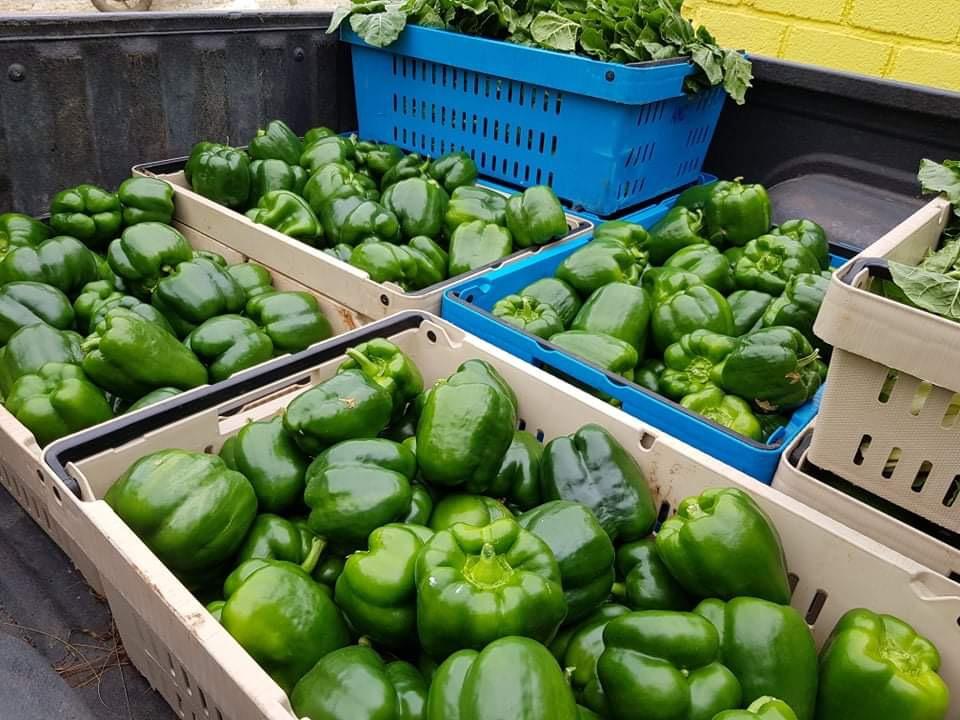
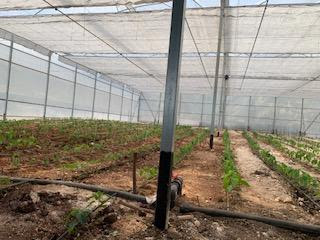
The Haitian Development Network (HDN) assists family and smallholder farmers in food security and economic development.
Things accomplished?

Raising chickens is another excellent way to reduce food insecurity. We currently have over 100 families raising chickens in their backyards.

Why does HDN desire to help in this way?

A landmark study by Harvard University recognizes Haiti’s potential to move from its current crisis to a leading economic nation in the Caribbean Basin. In a Haitian Development Network broadcast, Founder Jacques Jonassaint outlines the Harvard study and the efforts HDN is making to realize Haiti’s potential.


Highlights include:


  • Key to Haiti’s success are its resilient people, abundant initiative and resources, as well as a strong and growing desire to move the country forward.


  • Haiti’s rich endowments include a blessed geographical location, an engaged population, and productive land that, according to the Harvard study, “create a foundation for prosperity” — true economic development and long-term growth.


  • With proper leadership, Haiti can move beyond dependence on foreign aid into a collaborative process involving leadership at multiple levels, participation by local and foreign companies, a strong agricultural sector, industry associations, educational and research institutions, as well as Haiti’s communities and citizens.


  • True prosperity will be supported by non-governmental organizations, corporations, and local stakeholders — citizens at the local level who can realize success in an environment of trust and stability — an environment that allows prosperity to become deeply rooted.


  • The Harvard study confirms priorities and principles found within the Haitian Development Network’s Haiti 2050 initiative which include:


  1. Creating sustainable economic development in an environment with responsible regulations and limited taxation on both business and private enterprise.


  2. Rebuilding Hai8’s agricultural community to solve food insecurity at home and sell to markets abroad.


  3. Educating the future by providing resources to students, families, and teachers.


  4. Strengthening and supporting the rule of law in a way that provides safety and a stable environment where individuals, families, and businesses can thrive.


  5. Engaging international partners — corporations, governments, financial institutions, and NGOs who share legitimate mutual interests with Haiti, and who will benefit from that country’s bright and promising future.


  6. Promoting a new hope and behavior that springs from a sustainable spiritual rebirth — one that strengthens our social contract.
  7. Guaranteeing transparency, from government activities and commercial engagement to international partnerships and daily transactions.

Plan for the Future


  1. As Pope Benedict XVI said, tourism should help different cultures bridge gaps and promote dialogue between people. http://hdndigest.org/initiatives/eco-historical-tourism/
  2. The exploitation of the Orange Flesh Sweet Potato crop is already deemed to produce the most nutrition per acre, even before considering their Edible Leaves, with FAO data indicating the current average yield of 8 T/HA could grow 10-fold to 85/HA.
  3. Begin developing a national vine-cutting « seed bed » to enable smallholder farmers to get supplies of OFSP and Leaves for their growing, propagation, and sharing.
  4. Support smallholder farmers via initial funding of holistic tool kits to grow and propagate the OFSP and Leaves in selected sites (#s and locations TBD in Theory of Change/Logical Framework), with strategies to grow nationwide as more money becomes available; becomes self-sustained from profits derived/repayment of these initial funds.
  5. « Farmers in Haiti lack support, with virtually no access to agriculture extension services that could improve their yields to better feed the population and boost their incomes. They cannot purchase enough to meet domestic consumption needs – even though 60% of Haitians participate in agriculture. Insufficient inputs and scant access to technical assistance for adapting practices to a changing climate, along with recurrent droughts, restrict both the quality and quantity of crops produced. »
  6. Food gardening is an essential contributor to many national, regional, and local economies in many countries around the globe, with both temperate and tropical climates. Urban and rural residents should have small garden plots, most of which grow food for subsistence and the market. These gardeners can also reap many of the benefits associated with micro-scale food production. Both rural and urban gardeners’ primary source of income is their garden. 

The revenue is lower for urban gardeners, as excess food can often be traded or bartered for services. The remainder of the produce goes to friends and neighbors out of an abundance of feeling, which accounts for a national sense of food security. 


Neighborhood food production has another advantage: it lowers inflation because large-scale agriculture competes with local markets for food. This method also reduces food imports, farm subsidies, and pesticide/antibiotic usage. Not to mention the positive social impact neighborhood gardening can have on Haitian society. 


Nearly half of Haiti is going hungry, new food security report warns — UN News — https://press.un.org/en/2023/sc15266.doc.htm

Donate to Help Haiti

With your contribution, our team at the Haitian Development Network can provide resources and programs that will empower Haitians, build up their economy, and give hope to the Diaspora.

string(0) ""